Propagation & Rooting Solutions
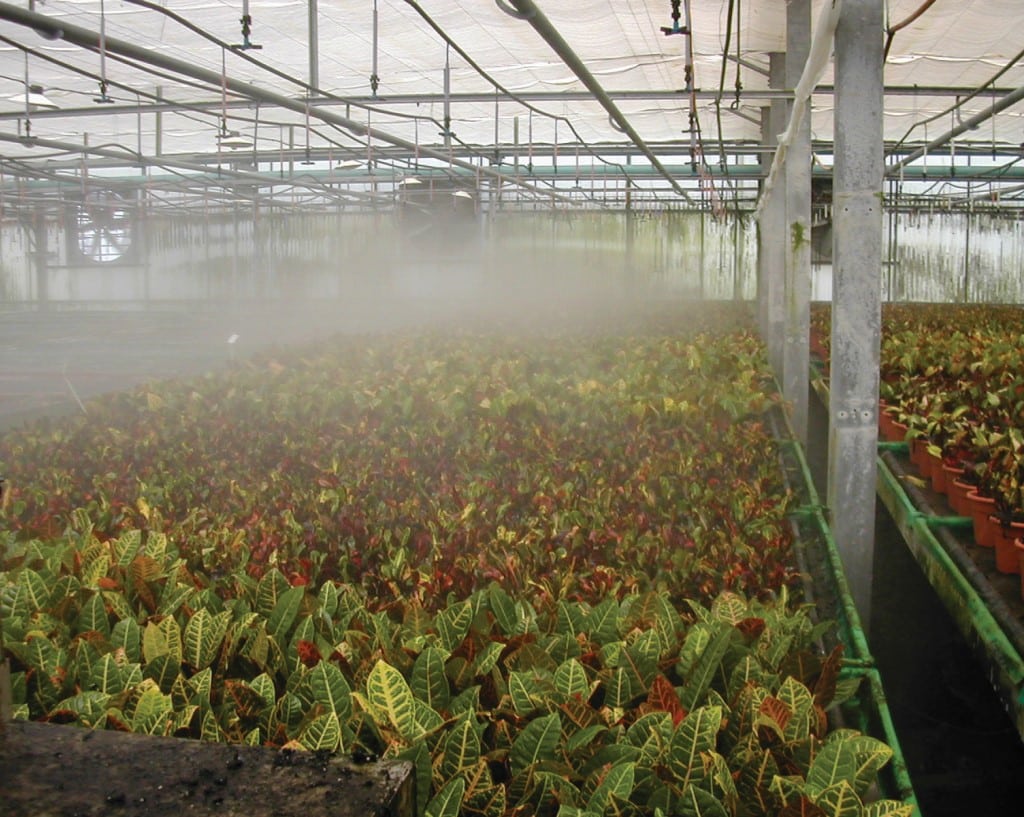
In this section we will explore how Rivulis Integrates irrigation with fogging, misting and climate control solutions to optimize growing conditions in protected agriculture environments.
What is Protected Agriculture and how does it work?
Protected Agriculture refers to growing crops in controlled environments such as greenhouses, tunnels, net houses and nurseries. These structures shield plants from weather, pests and diseases creating optimal growing conditions.
The success of these systems depends on efficient and precise irrigation which goes beyond meeting the water needs. irrigation plays a vital role in regulating the growing environment by ensuring uniform water distribution, reducing heat stress through cooling, maintaining ideal humidity levels, and enabling accurate fertigation and chemical application.
Types of Protected Agriculture Structures
Structure Type
Features & Benefits
Ideal For
Image
Glass Greenhouses
Excellent light transmission, tight control of climate
High value crops needing strict climate regulation

Multi-Tunnels
Hybrid structure combining tunnel coverage with greenhouse features
Crops requiring overhead irrigation or semi-controlled environments

Net Houses
Simpler structure for airflow and pest control, moderate climate control
Crops that benefit from airflow, shade and basic protection

Visit Rivulis Protection Agriculture section to explore a complete guide to Rivulis solutions designed to safeguard crops from frost protection to climate control and more.
Propagation & Rooting Solutions
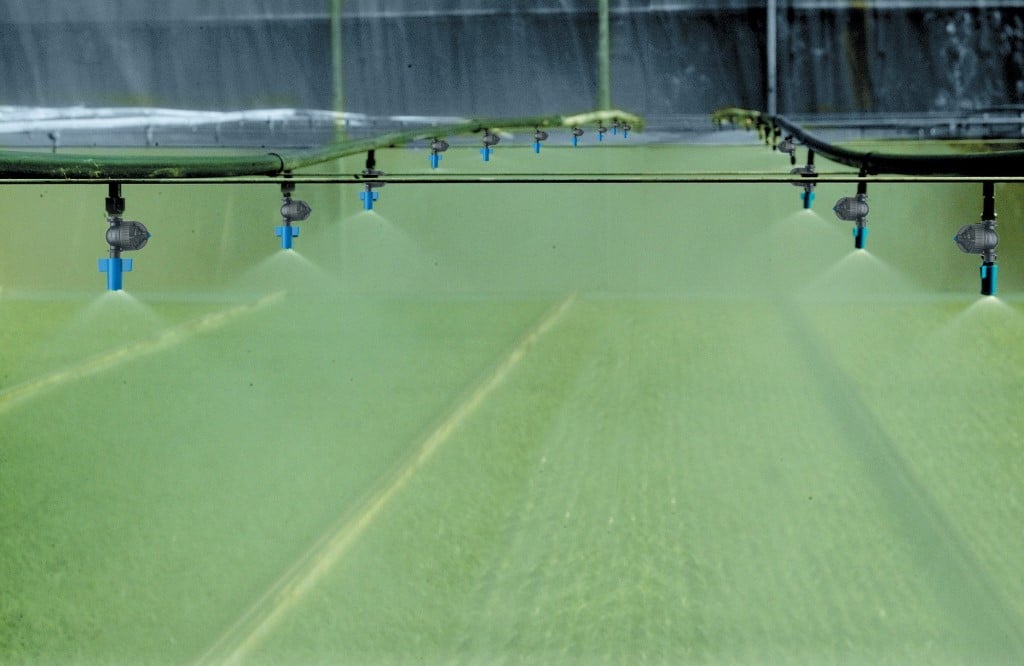
Successful propagation and rooting depend on maintaining precise environmental conditions especially moisture, humidity, and gentle water application. Young plants, seedlings, and cuttings are highly sensitive, and even minor variations can affect their establishment.
To support these early growth stages, Rivulis offers:
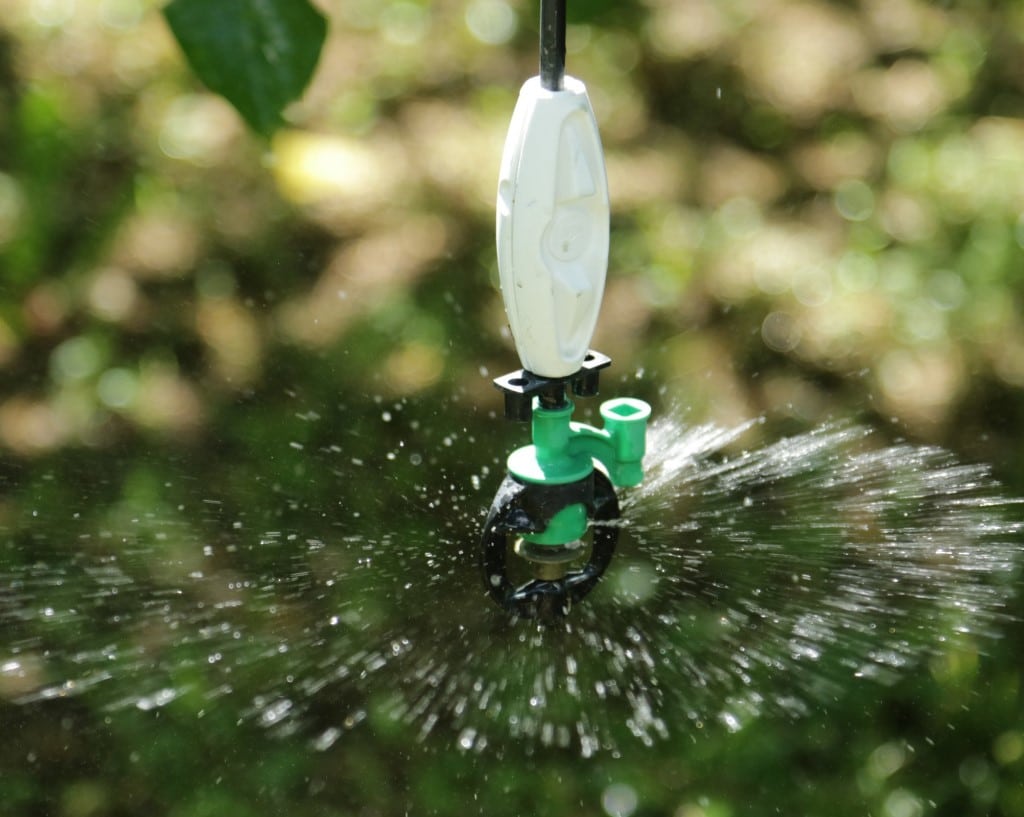
- Foggers & Micro-Sprinklers: These deliver fine to ultra-fine droplets for uniform moisture distribution without damaging delicate tissues.
- Localized Irrigation Systems: Solutions like Green Mist are designed specifically for propagation tables. They ensure water is applied only where needed minimizing waste and maintaining a consistent microclimate directly around the root zone.
Frost Protection: Choosing the Right System
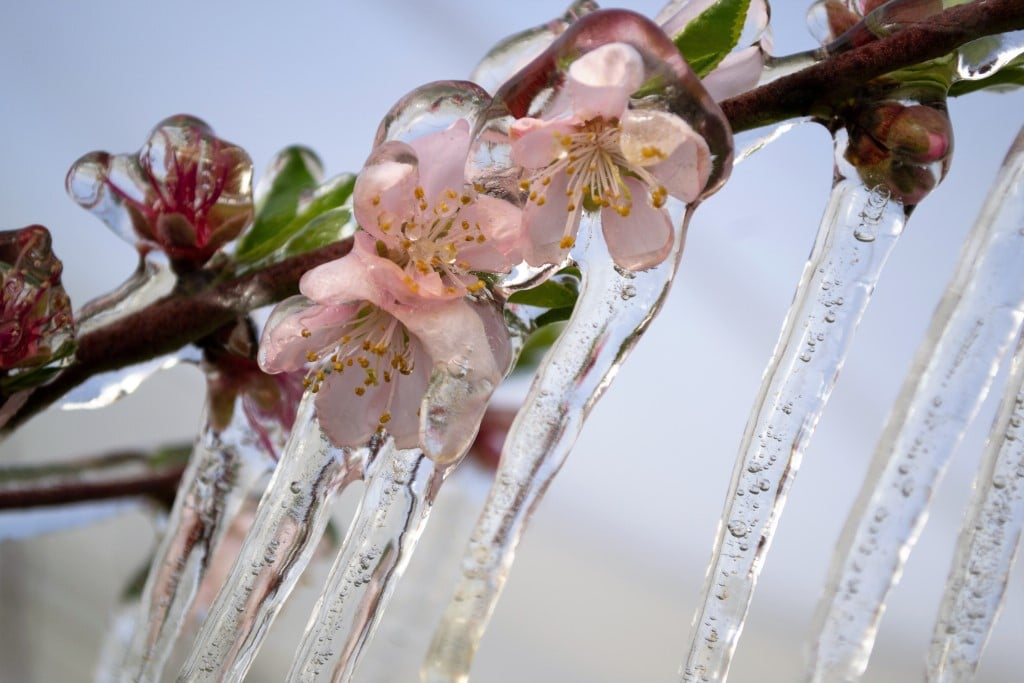
Frost can cause serious damage to crop especially during critical growth stages. Choosing the right systems starts with understanding the specific needs of each site.
What to consider before recommending a Frost Protection System:
Crop Type
Different crops have different levels of frost sensitivity.
Crop Distribution
Includes trees canopy size and row spacing which affect system layout.
Water Availability
Total water volume and flow rate available at the site
Soil Type
Helps prevent root damage cause by excessive water accumulation
Target Protection Temperature
Often higher than the forecasted minimum to protect the most vulnerable growth stages
Frost Protection Methods At a Glance
Method
How it Works
Benefits
Ideal For
Recommended Products
Image
Under Canopy Coverage
Sprinklers placed below tree canopy irrigate and protect simultaneously
- Dual purpose system
- Simple installation
Moderate frost protection (down to -2.5°C)

Full Canopy Coverage
Sprinklers above the canopy protect the entire crop and field area
- Most uniform coverage
- Works at wider spacing (up to 20m)
Tree crops in frost-prone areas
Rivulis 233 with ¾’’ connector or Super 10 ½’’.

Targeted Systems
One sprinkler per tree, positioned overhead
- Low water use
- Cost-effective for sensitive crops
- Highly customizable
Tropical/ subtropical crops, apple orchards
Depends on spacing and tree type

Strip Systems for Vines
Continuous lines run water in narrow strips along crop rows
- Up to 70% water savings
- Consistent row protection
- Low flow and pressure
Vineyards, apples, pears in dense planting

Why Frost Protection Matters
Frost protection is about more than just shielding crops from the cold, it is about helping you to protect fields, maintain quality and reduce the risk of costly losses. The right irrigation-based solution can make a big difference when it matters most.
You can explore more in our Frost Protection Solutions section, where a downloadable introductory guide is available with detailed insights, system recommendations and best practices to help you choose the right solution.
Cooling Systems for Heat Stress Management
Why Cooling Matters
On the other end of the climate spectrum, high temperatures can severely impact crops by:
- Causing flower drop and reduced yields
- Leading to sunburn on fruit
- Reducing photosynthesis as plants close stomata to conserve water
When stomata close, plants stop absorbing water and nutrients leading to stress, reduced growth and poor-quality harvests.
This is where cooling systems come in, not just to lower the temperature, but to help crops resume healthy growth.
The Science Behind Crop Cooling
Rivulis cooling systems are based on two key principles:
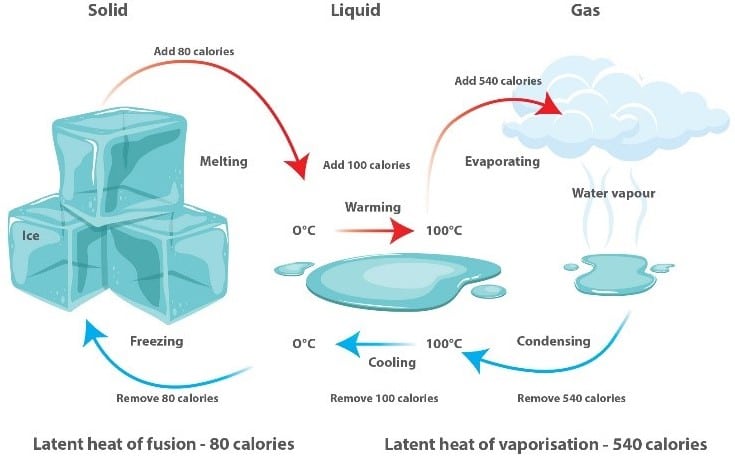
- Latent Heat Removal: As water droplets evaporate from fruit and foliage, they absorb heat, lowering surface temperature and preventing sunburn
- Evaporative Cooling: Fine droplets evaporate quickly, consuming the atmosphere calories and thus reducing the air temperature around the crop and helping reopen stomata for transpiration.
By reactivating transpiration at just the right time, cooling systems help mitigate stress, support photosynthesis and ultimately protect both crop quality and yield.
Guidelines for Operating a Cooling System
To get the full benefit of evaporative cooling, timing and application are key.
Tips for effective cooling:
- Start early: Turn on the system before critical heat levels are reached
- Use fine droplets: Maximize evaporation without runoff.
- Pulse smartly: Short, frequent cycles help maintain a stable crop temperature

Note: Recommendations to be adapted to local conditions of crop, air temperature, relative humidity, and more.
When used correctly, cooling systems support transpiration, reduce stress and protect fruit quality.
Plan Ahead: Water Availability
Before installing a coooling system, it is essential to evaluate your water resources. Cooling often requires frequent activation during peak heat periods, so your system should be designed for efficency without overloading supply.
With the righ planning crop cooling becomes more than just protection, it’s a tool for healthier plants, better yields, and consistent fruit quality even under extreme heat.
Your guide to Smarter Sprinkler Systems
In previous modules, we explored the foundations of sprinkler irrigation, its applications, system components and technical insights that impact crop performance. We looked at some key Rivulis sprinklers and uncover the agronomic benefits of tailoring sprinkler solutions to specific crops, challenges and conditions.
In this final module, we brough the focus to protected agriculture, showcasing how sprinklers support high efficiency growing environment.
Discover more about our systems, tools and support to Grow Beyond.